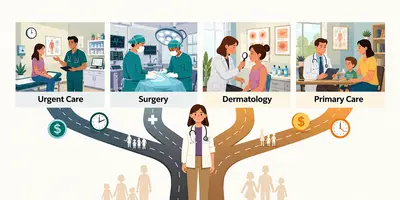
One of the greatest advantages of becoming a Physician Assistant is something many healthcare professionals don't fully appreciate until later in their careers: flexibility.
For many registered nurses, becoming a nurse practitioner represents the next step in a rewarding healthcare career. It offers greater autonomy, expanded clinical responsibilities, increased earning potential, and the opportunity to make an even larger impact on patient care.
When healthcare leaders discuss burnout, the conversation usually focuses on familiar issues: staffing shortages, administrative burdens, long hours, and growing patient volumes.
Choosing between becoming a nurse practitioner (NP) or a physician assistant (PA) is one of the most common career decisions facing aspiring advanced practice providers.
When most nurse practitioners (NPs) and physician assistants (PAs) think about career opportunities, they often focus on familiar paths such as family medicine, primary care, urgent care, or emergency medicine.
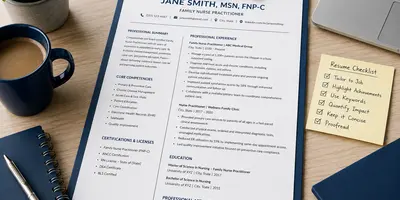
In today's competitive healthcare job market, your resume does far more than summarize your education and work history. For nurse practitioners, physician assistants, and other advanced practice providers, it serves as your first opportunity to demonstrate clinical expertise, professional value, and readiness for a new role.
Interviewing for a nurse practitioner (NP), physician assistant (PA), or other advanced practice provider (APP) position requires more than reviewing clinical guidelines and preparing for medical knowledge questions.